Henry Hess Sea Floor Spreading. In addition he found that the deepest parts of the oceans were very close to continental margins in the Pacific with Ocean Trenches extending. According to this theory the upper mantle of the earth has a layer called asthenosphere which contains viscous magma.
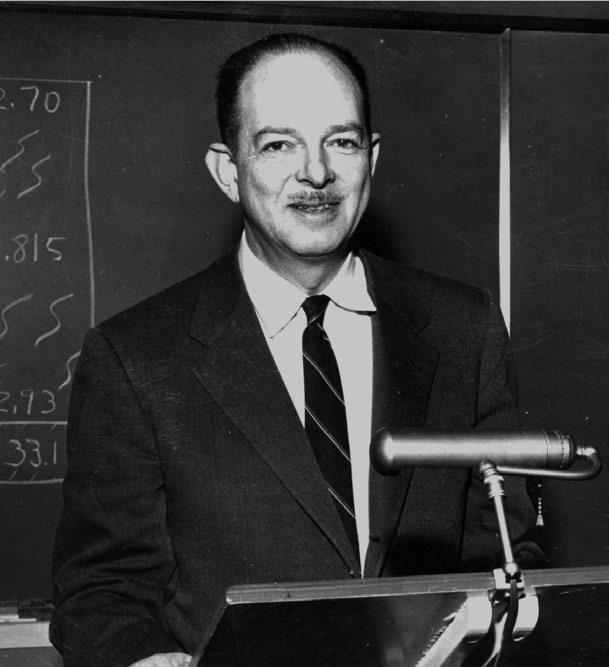
Seafloor spreading was produced by American geophysicist Harry Hess in 1960. This seafloor spreading hypothesis had been proposed a few years earlier by Harry Hess a petrologist at Princeton University and Robert Dietz an oceanographer in the US Coast and Geodetic Survey the federal department that made maps of the oceans and US coastlines. Evidence from submarines during WWII around the Mid-Atlantic Ridge showed the seafloor is a.
This recycling process later named seafloor spreading carries off older sediment and fossils and moves the continents as new ocean crust spreads away from the ridges.
Hess thought that the cooling magma arising beneath the rifts would force the existing ocean floor to move away from both sides of the rift. On each side of the ridge There was no evidence for this theory until. Sea Floor Spreading was a concept introduced by Henry Hess and Dietz when they observed that the age of the ocean floor was less than 200 million years whereas the earth was more than 45 billion years old. On the basis of Tharps efforts and other new discoveries about the deep-ocean floor Hess postulated that molten material from Earths mantle continuously wells up along the crests of the mid-ocean ridges that wind for nearly 80000 km 50000 miles through all the worlds oceans.
